
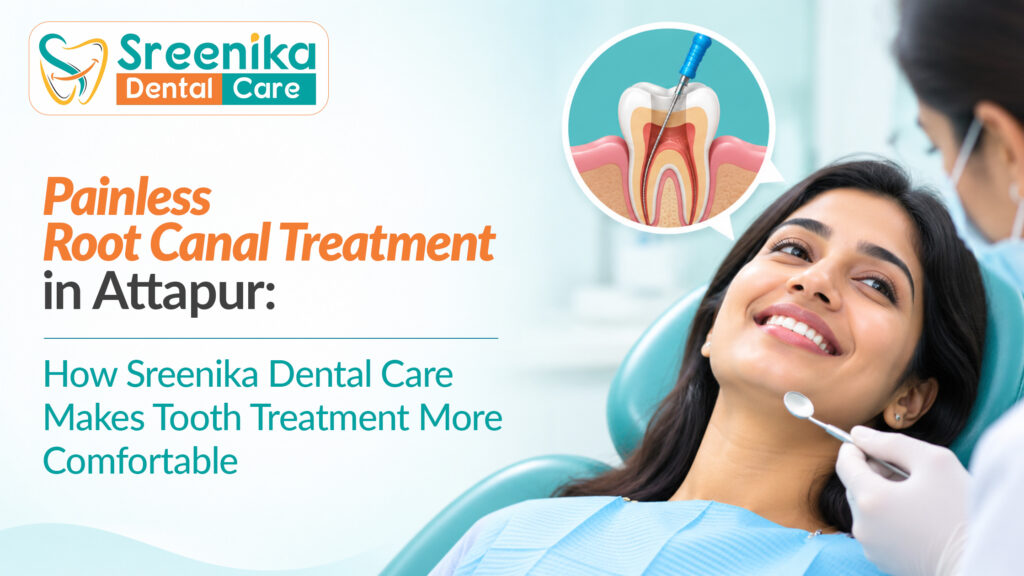
A sudden toothache can make even simple activities like eating, drinking, or speaking uncomfortable. The problem may become more frustrating when the pain continues despite taking temporary measures. In some cases, this discomfort indicates an infection inside the tooth that requires root canal treatment. However, the fear of pain during the procedure often makes patients postpone visiting a dentist.
Modern dentistry has changed the way root canal procedures are performed. With effective local anaesthesia, advanced instruments, and improved treatment techniques, dentists can now manage infected teeth with greater precision and comfort. Patients no longer need to associate this procedure with the painful experiences they might have heard about in the past.
At Sreenika Dental Care, the focus is on identifying dental problems early and providing carefully planned treatment that helps patients feel comfortable throughout the procedure. The goal is to remove infection, preserve the natural tooth, and restore normal chewing function.
Why Do Dentists Recommend Root Canal Treatment?
Inside every tooth is a soft tissue called dental pulp, which contains nerves and blood vessels. When bacteria enter this area through deep decay, cracks, or dental injuries, the pulp can become inflamed or infected.
If the infection is not treated, it may spread towards the root and surrounding bone, resulting in increasing pain and swelling.
Root canal therapy helps address this problem by removing the infected pulp, cleaning the internal canals, and sealing the space to prevent further bacterial entry.
Dentists generally recommend this procedure when:
- Tooth decay has reached the inner pulp.
- A tooth has developed an infection.
- A dental injury has damaged the pulp.
- Severe sensitivity continues for an extended period.
- An abscess has developed near the tooth root.
- The tooth hurts while biting or chewing.
The primary purpose is to save the natural tooth rather than remove it unnecessarily.
What Makes Modern Root Canal Treatment More Comfortable?
Many patients delay dental treatment because they expect the procedure to be painful. However, advancements in dental care have made the experience considerably more manageable.
Several factors contribute to improved comfort during treatment.
Effective Local Anaesthesia: The dentist numbs the affected area before beginning the procedure. This helps prevent pain while the infected tissue is removed.
Advanced Rotary Instruments: Specialised instruments help clean and shape the root canals efficiently and accurately.
Digital Diagnostic Imaging: Dental X-rays help identify the location and extent of infection, allowing the dentist to plan treatment more precisely.
Careful Treatment Planning: The procedure is adjusted according to the tooth’s condition, root structure, and level of infection.
Although some pressure or vibration may be noticed, patients generally experience little to no pain during a properly anaesthetised procedure. Individual experiences can vary depending on the infection and sensitivity.
Painless Root Canal Treatment vs Traditional Dental Treatment
Modern techniques have improved the overall treatment experience. The following table compares traditional and modern root canal treatment approaches.
| Feature | Modern Root Canal Approach | Traditional Approach |
| Anaesthesia | Effective local anaesthesia | Local anaesthesia |
| Instruments | Advanced rotary instruments | More conventional instruments |
| Diagnosis | Digital dental imaging | Conventional X-rays |
| Canal cleaning | Improved precision and efficiency | May require more manual steps |
| Treatment planning | Individualised approach | Conventional treatment planning |
| Patient comfort | Focus on reducing discomfort. | Experience varies depending on the technique used. |
The actual treatment method and number of appointments depend on the complexity of the infection and the dentist’s clinical assessment.
Warning Signs That Your Tooth May Need Root Canal Treatment
Tooth infections do not always cause severe pain in the beginning. Sometimes, the symptoms develop gradually and become noticeable only when the infection progresses.
Watch out for these common warning signs:
- Continuous toothache:Pain that remains for several hours or returns frequently.
- Lingering sensitivity:Discomfort after consuming hot or cold food and beverages.
- Pain while chewing:Tenderness or pressure when biting down.
- Swollen gums:Redness or swelling around the affected tooth.
- Tooth discolouration:A tooth that gradually becomes darker than surrounding teeth.
- Gum pimple:A small swelling near the tooth that may indicate an underlying infection.
- Jaw discomfort:Pain or tenderness around the affected area.
If you notice these symptoms, consult a dentist for an examination instead of relying on painkillers or home remedies.
Step-by-Step Process of a Comfortable Root Canal Procedure
Understanding what happens during treatment can help reduce anxiety and make the experience less stressful.
1. Dental Examination and Diagnosis
The dentist examines the affected tooth and checks the surrounding gums. Digital X-rays may be taken to understand the root structure and determine how far the infection has progressed.
Based on the findings, a suitable treatment plan is prepared.
2. Numbing the Affected Area
Local anaesthesia is administered to numb the tooth and surrounding tissues. This helps minimise discomfort during the procedure.
Patients who feel anxious can also discuss their concerns with the dentist before treatment begins.
3. Removing the Infected Pulp
A small opening is made in the tooth to access the infected pulp chamber. The damaged nerves, infected tissue, and bacteria are carefully removed.
This eliminates the primary source of infection and helps relieve tooth pain.
4. Cleaning and Disinfecting the Canals
The root canals are cleaned and shaped using specialised dental instruments. An appropriate disinfecting solution is used to reduce bacterial contamination.
Thorough cleaning is important to support successful treatment.
5. Filling and Sealing the Tooth
After cleaning, the canals are filled with a biocompatible material and sealed to prevent bacteria from entering again.
6. Restoring the Tooth
Depending on the amount of remaining tooth structure, the dentist may recommend a filling or dental crown.
A crown is often advised for back teeth because it provides additional protection against fractures during chewing.
How Long Does Root Canal Treatment Take?
The duration depends on the affected tooth, the number of canals, and the severity of infection.
| Type of Tooth | General Treatment Consideration |
| Front teeth | Often have fewer canals and may be simpler to treat |
| Premolars | May have one or more canals |
| Molars | Usually have more complex canal structures |
| Severely infected teeth | May require additional appointments |
Some cases can be completed in a single appointment, while others require multiple visits. Your dentist will recommend the appropriate schedule based on the clinical findings.
Is It Better to Save a Natural Tooth or Extract It?
Whenever possible, preserving your natural tooth is generally preferable. Root canal treatment allows the damaged tooth to remain in place while restoring its function.
Some important benefits include:
- Maintains natural chewing ability.
- Prevents unnecessary removal of the tooth.
- Helps preserve the existing tooth alignment.
- Avoids leaving an empty space between neighbouring teeth.
- Supports normal appearance and oral function.
- Provides an opportunity to restore the tooth with a suitable crown.
Extraction may be necessary when the tooth is severely damaged or cannot be restored. Your dentist can explain which option is appropriate after examining the affected area.
What Should You Do After a Root Canal?
Following the dentist’s aftercare instructions helps protect the treated tooth and supports recovery.
Keep these recommendations in mind:
- Avoid chewing hard foods on the treated side until the permanent restoration is completed.
- Choose softer foods if the tooth feels tender.
- Brush twice daily using fluoride toothpaste.
- Floss carefully around the treated tooth.
- Take prescribed medication only as advised.
- Avoid biting hard objects such as ice or pens.
- Attend scheduled follow-up appointments.
Mild tenderness for a few days can occur after treatment. However, contact your dentist if you experience increasing pain, swelling, or persistent discomfort.
Why Choose Sreenika Dental Care for Root Canal Treatment in Attapur?
A comfortable dental experience depends on accurate diagnosis, appropriate treatment planning, and careful execution. Patients benefit from a dental team that understands their concerns and explains each stage of treatment.
At Sreenika Dental Care, patients receive personalised dental care with attention to comfort, hygiene, and long-term oral health.
Some important aspects of the clinic’s approach include:
- Experienced dental professionals.
- Modern diagnostic facilities.
- Patient-focused treatment planning.
- Proper sterilisation and hygiene protocols.
- Careful evaluation of infected teeth.
- Restorative solutions to protect treated teeth.
- Guidance on recovery and preventive dental care.
Patients looking for painless root canal treatment in Attapur can receive an evaluation to understand the condition of their teeth and the treatment options available.
Other Dental Treatments That Help Maintain Oral Health
Apart from root canal procedures, maintaining healthy teeth requires regular preventive and restorative care.
Depending on individual dental needs, available treatments may include:
- Dental fillings for cavities.
- Dental crowns and bridges.
- Professional teeth cleaning.
- Dental implants for missing teeth.
- Orthodontic treatment for alignment problems.
- Paediatric dental care.
- Gum disease treatment.
- Cosmetic dental procedures.
Timely dental checkups can help identify minor problems before they develop into more complicated conditions.
Frequently Asked Questions
1. Is root canal treatment completely painless?
Local anaesthesia helps numb the affected area, so most patients experience little to no pain during the procedure. Mild tenderness may occur afterwards, depending on the severity of the infection.
2. How many appointments are needed for a root canal?
Some root canal procedures can be completed in one appointment. However, complex infections or teeth with multiple canals may require two or more visits.
3. Can I eat normally after root canal treatment?
You can usually eat once the numbness has completely worn off. However, avoid hard or sticky foods on the treated tooth until the dentist completes the recommended permanent restoration.
4. Does every root canal-treated tooth need a crown?
Not every tooth requires a crown. However, teeth with significant structural damage, particularly molars, often benefit from crown protection to reduce the risk of fractures.
5. What happens if I delay root canal treatment?
Delaying treatment may allow the infection to spread, potentially causing severe pain, swelling, dental abscesses, and bone damage. Early dental evaluation improves the opportunity to preserve the affected tooth.
Restore Your Smile with Comfortable Dental Care
Don’t ignore persistent tooth pain. Early treatment can help save your natural tooth and prevent further infection.
Book your consultation at Sreenika Dental Care today!
Call: 91827 11994