
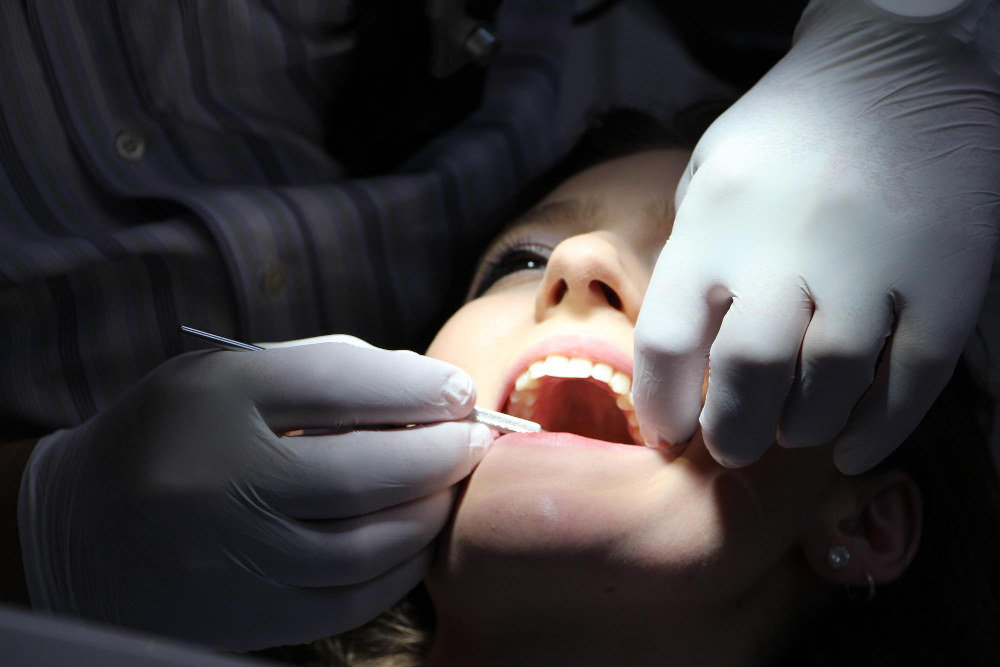
What is Oral Cancer?
Oral cancer is a disease where cells in the mouth grow out of control. It can affect the lips, tongue, cheeks, or throat. Early detection is important. Many people do not know the risk factors for oral cancer. However, learning about them can help you stay safe. Oral cancer can be serious, but you can lower your risk by making healthy choices.
Common Risk Factors for Oral Cancer
Several things can increase your chance of getting oral cancer. Knowing these risk factors for oral cancer can help you make better decisions. Here are some of the most common causes:
For example, using both tobacco and alcohol together makes the risk even higher. According to the CDC, these habits are linked to most oral cancer cases.
Lifestyle and Environmental Contributors
Besides tobacco and alcohol, other lifestyle choices and surroundings can play a role. For instance, poor oral hygiene can increase your risk. Not brushing or flossing often can lead to problems. In addition, eating a diet low in fruits and vegetables may raise your risk.
Therefore, making small changes in your daily life can help lower your risk.
Genetic and Medical Risk Factors
Some risk factors for oral cancer are not under your control. For example, a family history of cancer can increase your risk. If a close relative had oral cancer, you may be more likely to get it too. Also, people with weak immune systems face higher risks. Medical conditions like HIV or organ transplants can lower your body’s defenses.
Even though you cannot change your genes, you can still take steps to protect your health.
Prevention Tips and Reducing Your Risk
Thankfully, you can lower your risk for oral cancer by making healthy choices. Here are some simple tips for oral cancer prevention:
By following these steps, you can help protect yourself and your loved ones. The World Health Organization and CDC both recommend these actions for better oral cancer awareness.
When to See a Dentist or Doctor
It is important to know when to seek help. If you notice any changes in your mouth, do not wait. For example, see a dentist or doctor if you have:
Early detection can save lives. Therefore, regular dental visits are key for oral cancer prevention and early treatment.
Consult a dental specialist for personalized advice on oral cancer prevention.