
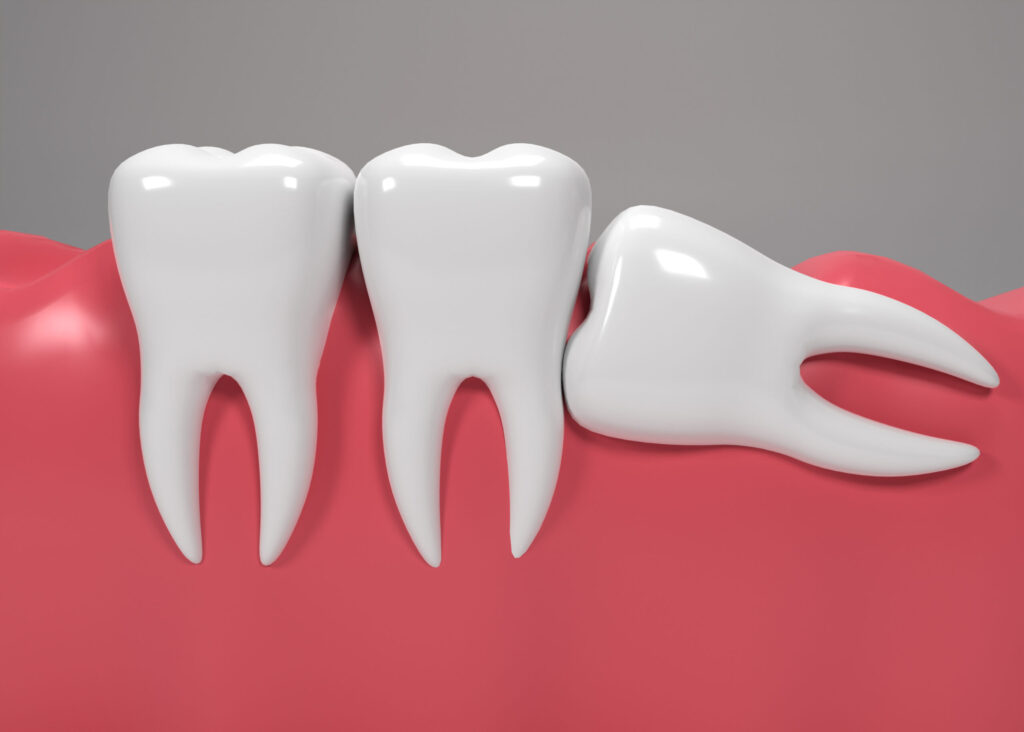
Introduction to Impacted Teeth
Impacted teeth are teeth that do not come out of the gums as they should. Often, this happens with wisdom teeth, but any tooth can be impacted. Because impacted teeth can cause pain and other problems, it is important to know the signs and what to do. In this guide, you will learn about impacted teeth, their causes, symptoms, diagnosis, and treatment options.
What Are Impacted Teeth?
Simply put, an impacted tooth is a tooth that gets stuck under the gum or only partly comes out. Usually, this happens because there is not enough space in the mouth. For example, wisdom teeth are the most common impacted teeth. However, other teeth, like canines, can also be impacted. Impacted teeth may not cause problems at first, but they can lead to pain, swelling, or infection later.
Common Causes of Impacted Teeth
There are several reasons why teeth become impacted. Understanding these causes can help you prevent problems in the future. Some common causes include:
Sometimes, impacted teeth happen for no clear reason. Still, knowing the risks can help you stay alert.
Signs and Symptoms of Impacted Teeth
Many people do not notice impacted teeth right away. However, certain signs can point to a problem. Watch for these symptoms:
For example, impacted wisdom tooth symptoms often include pain at the back of the mouth. If you notice any of these signs, you should see a dentist soon.
How Are Impacted Teeth Diagnosed?
Early diagnosis can prevent bigger problems. Dentists use several methods to find impacted teeth. First, they will ask about your symptoms and check your mouth. Next, they may take X-rays to see teeth under the gums. Sometimes, a dentist will use special scans for a clearer picture. Because impacted teeth can be hidden, regular dental check-ups are important. This way, your dentist can spot problems before they get worse.
Treatment Options for Impacted Teeth
Treatment for impacted teeth depends on your symptoms and the tooth’s position. Sometimes, no treatment is needed if the tooth is not causing problems. However, if you have pain or infection, your dentist may suggest:
For impacted wisdom teeth, removal is often the best choice. Your dentist will explain the best treatment for you. If you are searching for “impacted teeth treatment near me,” look for a trusted dentist in your area.
Can Impacted Teeth Be Prevented?
While you cannot always prevent impacted teeth, you can lower your risk. Here are some helpful tips:
Because early action can stop bigger problems, do not skip dental visits.
Lifestyle and Oral Hygiene Tips
Good oral care can help keep your mouth healthy, even if you have impacted teeth. Try these simple steps:
Additionally, tell your dentist about any pain or changes in your mouth. This way, you can get help early.
Conclusion
In summary, impacted teeth can cause pain and other problems if not treated. Because early care is important, watch for symptoms and visit your dentist often. If you think you have an impacted tooth, do not wait. Consult a dentist for personalized advice about impacted teeth.