
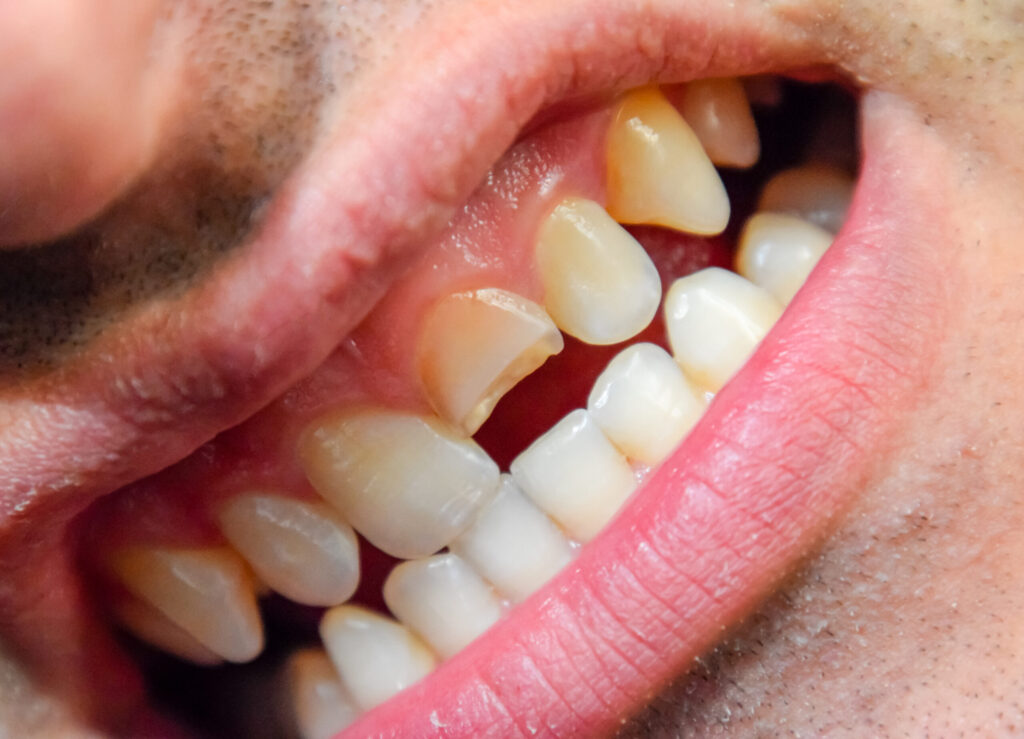
What is a Tooth Fracture?
A tooth fracture means your tooth has a crack or break. Sometimes, the crack is small and hard to see. Other times, it is easy to notice. Tooth fractures can happen to anyone. However, they are more common in people who bite hard foods or have accidents. A tooth fracture can cause pain or make chewing difficult. Because of this, it is important to know the signs and get help early.
Common Symptoms of a Tooth Fracture
Tooth fractures can show up in many ways. Some people feel pain, while others may not notice any symptoms at first. Still, knowing what to watch for can help you act quickly. For example, you may notice:
Sometimes, the pain is mild. But, it can get worse if left untreated. Therefore, it is wise to pay attention to these signs.
Causes and Risk Factors
Many things can cause a tooth fracture. For instance, biting down on hard foods like ice or candy can crack a tooth. Accidents, such as falls or sports injuries, are also common causes. In addition, teeth with large fillings or root canals are weaker and may break more easily. Other risk factors include:
Because these risks are common, it is important to protect your teeth whenever possible.
When to See a Dentist for a Tooth Fracture
It is best to see a dentist as soon as you notice a tooth fracture. Even small cracks can get worse over time. If you have pain, swelling, or trouble chewing, do not wait. In some cases, a cracked tooth can lead to infection or tooth loss. Therefore, seek emergency dental care if:
Early treatment can save your tooth and prevent more problems later.
Diagnosis: How Dentists Identify Tooth Fractures
Dentists use several methods to find a tooth fracture. First, they will ask about your symptoms and check your mouth. Next, they may use a bright light or a special dye to see cracks. Sometimes, they will take X-rays to look for hidden breaks. However, not all cracks show up on X-rays. Because of this, your dentist may also use a tool to test for pain or movement in the tooth. With these steps, dentists can find the problem and plan the right treatment.
Treatment Options for Tooth Fractures
Treatment for a broken tooth depends on how deep the crack is. For small chips, your dentist may smooth the edge or use a filling. If the crack is larger, they might use a dental crown to cover and protect the tooth. In some cases, a root canal is needed if the crack reaches the tooth’s nerve. Rarely, if the tooth cannot be saved, it may need to be removed. Common treatments include:
Your dentist will explain the best option for your situation. Quick care can help you avoid more pain and keep your smile healthy.
Prevention Tips and Home Care
While not all tooth fractures can be prevented, you can lower your risk. For example, try these tips:
If you have a cracked tooth, rinse your mouth with warm water and avoid chewing on that side. Over-the-counter pain relievers can help until you see your dentist. However, do not delay getting professional care.
If you suspect a tooth fracture, consult a dentist promptly for personalized care. Early treatment can protect your teeth and prevent further problems. For more information, visit trusted sources like the American Dental Association or the CDC.